Muscle: One of the Greatest Gifts You Can Give Your Heart in Midlife and Beyond
When most people think about heart health, they think about walking, or eating oatmeal, or checking their cholesterol.
Don’t get me wrong, all of these actions are important to support your strong and powerful heart.
And, there's another powerful player in cardiometabolic health that doesn't get nearly enough attention especially for us women in mid-life and beyond.
Muscle. I know… Stay with me.
Our last blog was about becoming the guardian of our hearts, and this blog is about becoming the guardian of our muscles too, since learning about one positively influences the health of the other.
Muscle
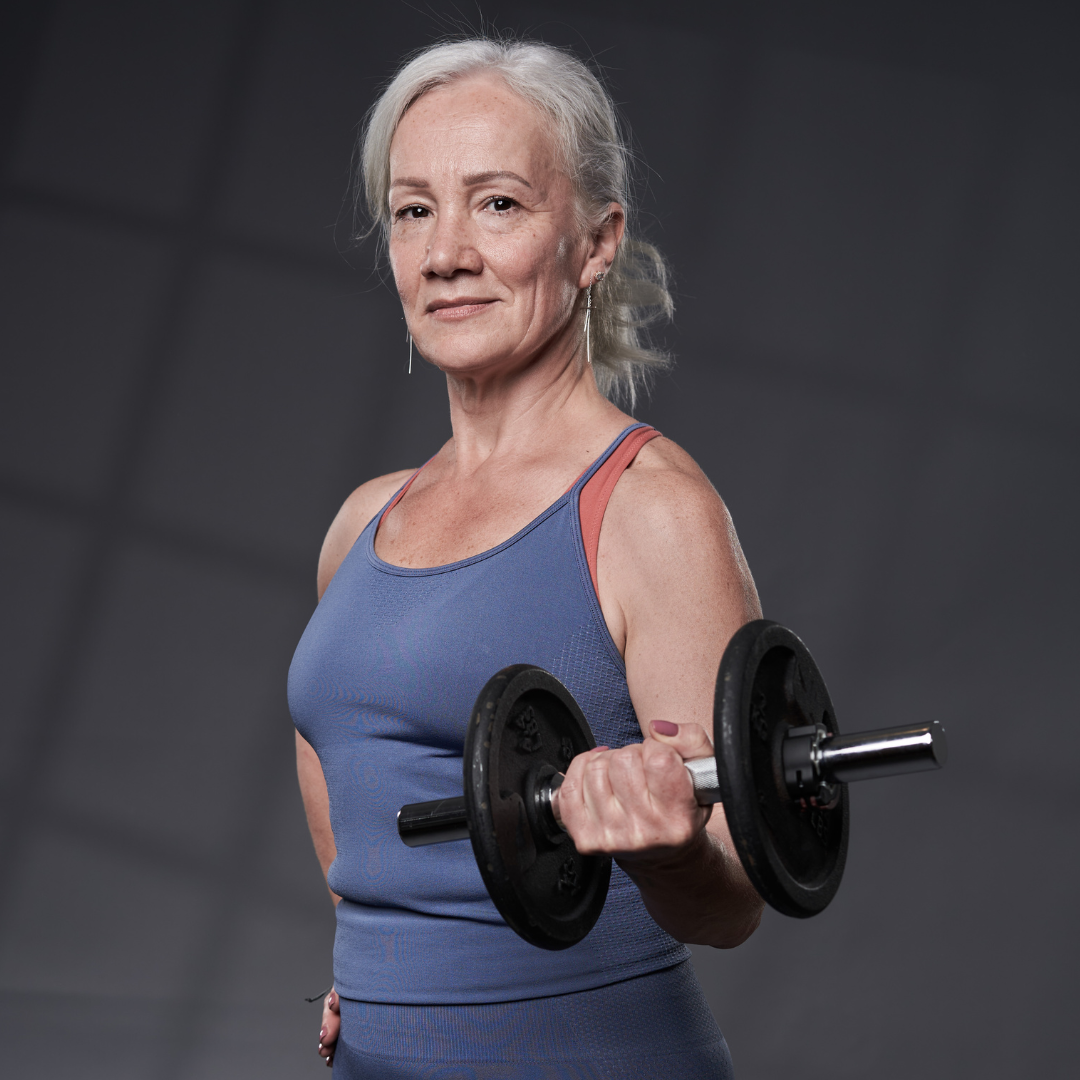
We spend a lot of time talking about protecting our hearts through food choices, walking, stress management, and regular checkups, and all of these things matter.
But we don't often talk about how building and maintaining muscle may be one of the most powerful ways to support the hardest-working muscle of all.
When Women Think about Muscle
In my experience, when women think about muscle (no, not all of them!), they picture bodybuilders, huge biceps, or spending hours in a gym lifting heavy weights. Others worry that if they start strength training, they'll somehow become "too bulky."
The truth is, most women don't have nearly enough testosterone to build large muscles like men do, especially in menopause and beyond. Thank goodness!
What we do build, when we focus on our muscle, is strength. And strength is one of the greatest gifts we can give ourselves as we move through our precious lives.
Your Heart Is a Muscle
Before we go further, let's remember something important; your heart is a muscle.
In fact, it may be the hardest working muscle in your body. Day after day, year after year, beat after beat, pump after pump, without a vacation, your heart has faithfully carried you through every season of your life so far, and it will be there for a long time.
The heart is one muscle we don’t need to think about to contract and work for us. We are so grateful for the miraculous and awe inspiring ways the heart cares for us- with it beating on average 3-3.3 billion times by the time we’re 80 years old! So what about the other muscles in our vital bodies?
Muscle Has Many Jobs
At times, we might think muscle exists simply so we can lift heavy things, but muscle has many jobs.
While muscle certainly helps us slug groceries into the trunk, shovel dirt in the garden, push the couch across the room, and toss suitcases into overhead bins, it also facilitates important jobs happening behind the scenes.
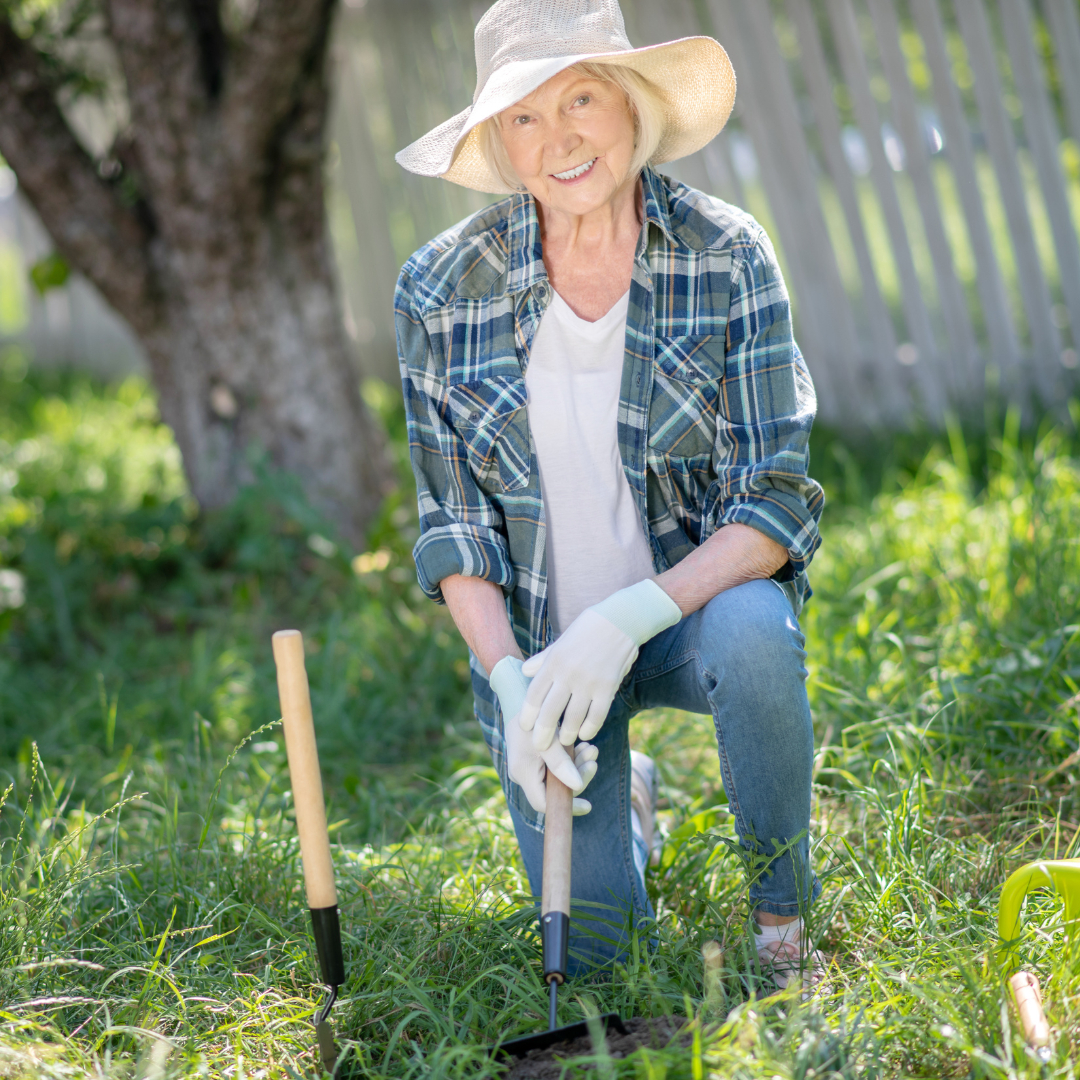
One of those jobs involves regulating blood sugar.
Muscle Acts Like a Sponge
Muscle acts like a sponge. When we move our bodies and challenge our muscles, they pull glucose from the bloodstream to use it for energy. When your muscles work and contract, they use up circulating glucose for energy which means your glucose is being purposeful, and not circulating endlessly in the blood stream, or being stored as excess energy in fat.
Healthy and strong muscle tissues support effective blood sugar regulation, or in simple terms, your muscles help your body manage and use up fuel more effectively.
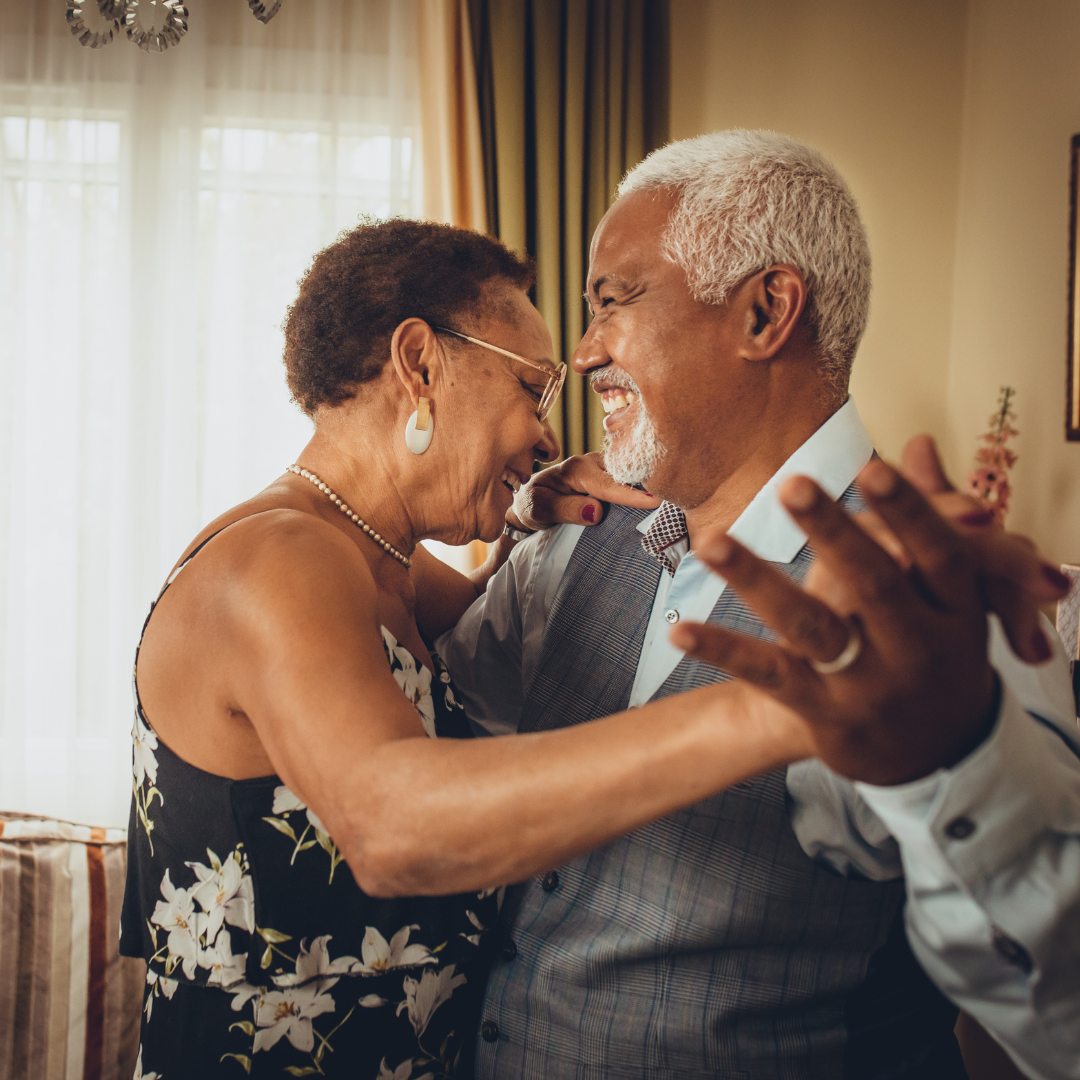
This matters because during midlife, we can begin experiencing changes in blood sugar regulation at the same time we are losing muscle mass! And these changes can dramatically alter the way we feel- and not in a good way.
The Midlife Shift
As estrogen levels change during perimenopause, menopause, and post menopause, our bodies experience shifts in the way our bodies look (body composition), metabolism, and glucose regulation.
At the very same time, we are naturally losing muscle mass (which started happening in our 30’s), unless we actively work to maintain it.
I’ll be honest, this can all sound so scary! So, instead of fear, I want this article to enhance your awareness and choice instead.
Awareness and Choice
Your learning about and considering this information, gives you awareness, and awareness gives us choices.
One of the most powerful choices we can make is to intentionally build and preserve muscle through resistance training and purposeful movement.
Not because we're trying to become bodybuilders, and not because we're trying to shrink ourselves, and certainly not because we’re scared. Rather, because we're investing in our future selves and the future of our families and communities, because of our strength.
Strength Equals Independence
Several years ago during a session of the Menopause Movement Mission, I asked our powerful women a simple question:
"What does strength mean to you?"
I expected answers about looking good, fitness, or exercise or to become smaller.
Instead, there was one answer that rose above all the others.
Independence.
The ability to do what you want to do, when you want to do it, with whom you want to do it, and how you want to do it!

To continue fully participating in the life you've worked so hard to create.
That's what strength really means, it’s never been about being smaller.
Smaller is Not Better
Somewhere along the way, many of us were conditioned to believe that we were taking up too much space. We may think that it’s better to have;
Smaller bodies, smaller appetites, smaller needs, smaller voices, or smaller visions of what our future selves can be.
And I’m here to remind you that midlife is asking something very different of you.
Stronger is Better
Stronger is better, especially when you own it!
Stronger physically, stronger emotionally, stronger in our boundaries, stronger in our voices, stronger in our commitment to ourselves.
And it can take muscles to make you stronger and every time you challenge your muscles and yourself, you're making a deposit into your future.
Every walk after dinner, every sit to stand, every choice to take the stairs, or push a heavy grocery cart, or lug bags of dirt into your garden, or make a few trips to the car to carry in heavy things one at a time, or sign up for that dance class you’ve been wanting to try, or even just asking for direction because you’re not sure where to begin… makes you a stronger and better version of yourself today.
And, with those choices, you’re reminding your body that you plan to be here awhile., a long while. Capable, independent, vital and fully alive.
xo Nicole
The Nurse Says...
Skeletal muscle plays a critical role in glucose uptake, insulin sensitivity, metabolic health, balance, mobility, and healthy aging. Maintaining muscle during midlife is one of the most powerful ways women can support both cardiometabolic health and long-term independence.
The Coach Asks...
What is one thing you want your body to still be able to do twenty years from now?
Goddess Wisdom ✨
You were never meant to become smaller. Midlife invites you to become stronger, steadier, and more fully yourself.
References
El Khoudary SR, Aggarwal B, Beckie TM, et al. Menopause Transition and Cardiovascular Disease Risk: Implications for Timing of Early Prevention: A Scientific Statement From the American Heart Association.Circulation. 2020;142:e506-e532.
Nappi RE, Kroll R, Siddiqui E, et al. Menopause: A Cardiometabolic Transition.The Lancet Diabetes & Endocrinology. 2022;10(6):442-456.
Fragala MS, Cadore EL, Dorgo S, et al. Resistance Training for Older Adults: Position Statement From the National Strength and Conditioning Association.Journal of Strength and Conditioning Research. 2019;33(8):2019-2052.
DeFronzo RA, Tripathy D. Skeletal Muscle Insulin Resistance Is the Primary Defect in Type 2 Diabetes.Diabetes Care. 2009;32(Suppl 2):S157-S163.
Women and Heart Rate. Cleveland Clinic, 1 Mar. 2024, my.clevelandclinic.org/health/articles/17644-women-and-heart-rate. Accessed 28 June 2026.
About the Author
Nicole Vienneau MSN, RN, NC-BC is a former ICU nurse turned holistic wellbeing advocate, with 25+ years in nursing and 30 years in fitness and health coaching.
A retired Reebok-sponsored athlete and national presenter, Nicole is the founder and visionary of Tucson’s Restoration Room, where she empowers mid-life women to reclaim their joy, confidence, and ease through holistic menopause and lifestyle strategies.
Her personal journey from burnout to peace fuels her integrative approach, blending integrative health coaching, fitness, Reiki, and sound healing. Nicole is also an author, speaker, and host of the Integrative Nurse Coaches in ACTION! podcast.